Most research projects that disappoint in Latin America fail before the first session. The screener was translated from English and nobody local reviewed it. The panel had plenty of people in the capital and almost nobody anywhere else. The "banked, uses digital wallets" profile turned out to be people who opened an account once and never used it. User research recruitment in Latin America deserves the same care as the study design, because the insight you get can only be as good as the people in the room.
This guide is for UX research, product and market-entry leads who need participants in Colombia, Mexico and other countries in the region. It covers screeners, profiling criteria, incentives, data protection, hard-to-reach profiles, timelines and what to ask a recruitment vendor.
Why recruitment is harder than it looks in LATAM
A few local factors change who you can reach and how:
- Geography. Capitals are overrepresented in most panels. Mid-size and smaller cities behave differently in devices, connectivity and payment habits.
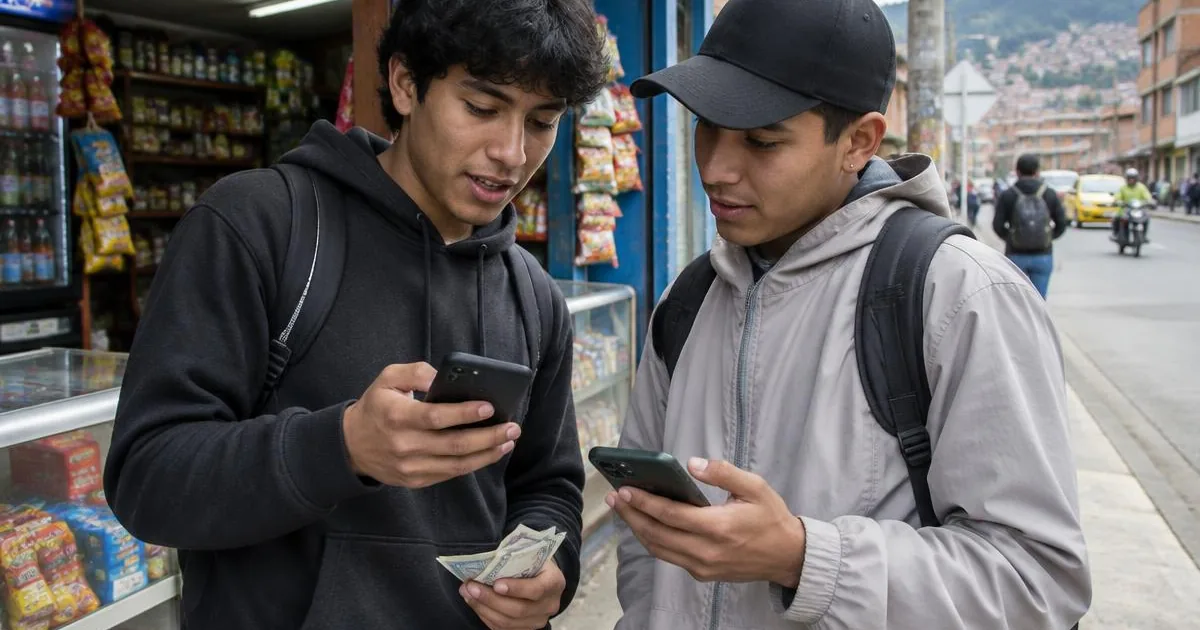
- Financial inclusion. "Banked" is a spectrum. Many people use a wallet but not a bank account, or have a card they rarely use. Your screener needs behavioral questions, not just yes/no ownership.
- Devices and plans. Prepaid versus postpaid, low-end versus mid-range Android, and older OS versions all affect what a participant can test.
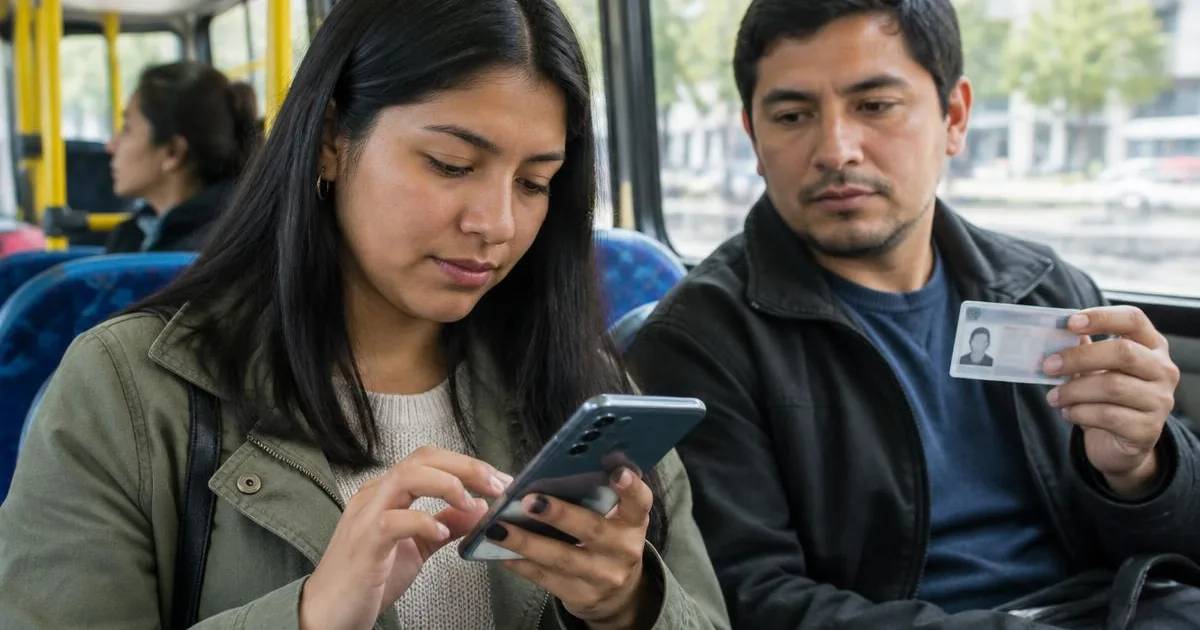
- Documents. If your study involves identity validation, you need participants with the right documents in the right state: cédula in Colombia, INE card and CURP in Mexico, documents of foreign residents, or a minor's ID.
- Trust. People are cautious about sharing data with companies they do not know. Recruitment through a community they already belong to gets better show-up rates and more honest answers.
Writing screeners that work
A good screener filters by behavior, not by self-description.
- Start with hard filters. Country, city, age, device and OS. Disqualify early to save the participant's time.
- Ask about recent behavior. "In the last month, how did you pay your mobile top-up?" works better than "Do you use digital payments?"
- Use local terms. Name payment methods, apps and documents the way people in each country do. A screener written in neutral Spanish can still sound foreign.
- Include open questions. One or two short open answers help detect professional respondents and people who did not read the question.
- Avoid revealing the client or the ideal answer. If the screener makes it obvious what you are looking for, people will give you that answer.
- Set quotas. Define how many participants you need per country, city, age band or device type before recruitment starts.
Profiling criteria for a UX research panel in LATAM
The value of a research panel depends on how well it knows its members. Paruma profiles its community with more than 65 criteria, and in practice the ones that matter most for digital product studies are:
- Demographics: age, gender, city, socioeconomic level, occupation.
- Technology: device brand and model, OS and version, carrier, plan type, home internet.
- Financial behavior: banks, wallets and payment methods used, frequency of digital transactions.
- Digital habits: apps used for shopping, transport, government services and messaging.
- Household: children and their ages, people with disabilities in the home, caregivers.
- Documents: type of ID and its condition.
- Accessibility: assistive technologies used, if any.
Profiling in this detail is what makes it possible to recruit research participants in Colombia for a specific scenario, for example a parent of a 15-year-old who wants to open a wallet account for them, without starting from zero. You can see how we work in our profiling and recruitment service.
Incentives and anonymity
Incentives should respect the participant's time and be easy to use. In Latin America that means paying in local currency, or in vouchers from brands people actually buy from, through methods they already have. In Colombia, wallets like Nequi or Daviplata are common options, and PayPal works for some profiles. Set the amount by session length, effort and how rare the profile is, and pay on time; a community that is paid late stops responding.
Anonymity matters just as much. In Colombia, personal data is protected by the Habeas Data law (Ley 1581 de 2012). Participants should give informed consent, know what data is collected and why, and their answers should reach the client company anonymized. This protects participants and also improves the research: people speak more openly about a bank or a telecom when they know the company will not see their name.
Hard-to-reach participants
Some of the most valuable studies need people who are hard to find through general panels. Two Paruma cases show how this works.
Bancolombia, people with visual and motor disabilities. Bancolombia's accessibility project wanted to understand how customers with disabilities use ATMs. Paruma, together with collaborators like Whee Education, recruited Bancolombia customers with total or partial visual disabilities and people with motor disabilities. The field research used participant observation, surveys and interviews. Findings included a strong preference for voice at ATMs, the need to control the speed and volume of voice prompts, and opportunities to improve button positioning and Braille signage. All users wanted to complete their transactions independently. Read the Bancolombia accessibility case.
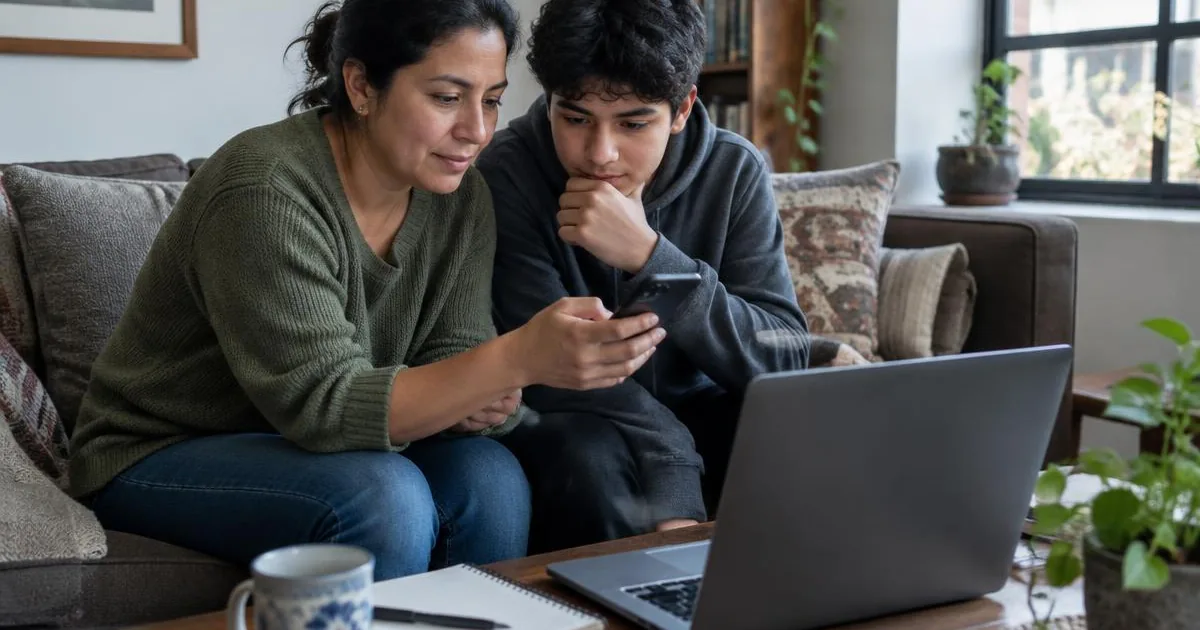
Daviplata, parents and guardians of minors. Daviplata, a mobile digital banking app in Colombia with more than 5 million active users, wanted to let minors open accounts. Paruma recruited parents or guardians of minors aged 14 to 17 who were interested in opening accounts for their children, and the research ran in multiple phases, from beta testing to production. It evaluated identity validation and supported training the artificial intelligence that allows minors to open accounts. Minors showed a high understanding of the account opening process, the research identified a need to improve identity validation effectiveness, and the app improved its error messages without affecting its general users. See the Daviplata minors ID case.
For hard-to-reach participants, plan for partnerships with organizations that work with that population, extra screening time, accessible session formats and incentives that reflect the effort involved.
Timelines
Recruitment time depends mostly on how specific the profile is:
- General consumer profiles from an existing community can be filled quickly.
- Specific behaviors (users of a competitor's wallet, people who recently changed carrier) need more screening.
- Hard-to-reach profiles (people with disabilities, parents of minors with a specific need, small business owners in a particular sector) take the longest.
A typical evaluation, from briefing and recruitment to final report, takes one to four weeks depending on the service. Add buffer for no-shows; overbooking by one or two participants per segment is common practice.
What to ask a recruitment vendor
- Do you have your own community, or do you resell a third-party panel?
- In which countries do you have active members, and how many?
- How many profiling criteria do you hold, and how often are profiles updated?
- How do you verify that participants are who they say they are?
- How do you handle consent and anonymity under local data protection law?
- How and in what currency are incentives paid?
- What is your show-up rate, and what happens if someone does not attend?
- Can you recruit hard-to-reach profiles, and through which partners?
Paruma has worked with real users since 2016, with presence in more than five countries and more than 2,500 Nomers in each country. Our community is called Nomo, and people who want to take part in studies can register for free at nomobyparuma.co.
Frequently asked questions
How long does it take to recruit research participants in Colombia?
It depends on how specific the profile is. General consumer profiles can be filled quickly from an existing community. Hard-to-reach profiles, such as people with disabilities or parents of minors with a specific need, take longer. A typical full evaluation, including recruitment, runs one to four weeks.
What should a screener include for a LATAM study?
Country and city, age, device and OS, carrier and plan type, banking and payment habits, the apps the person uses, the documents they hold, and any behavior that defines your target. Add a few open questions to filter out people who answer screeners for every study.
What incentives work for research participants in Latin America?
Incentives should be paid in local currency or as vouchers people can actually use, through methods they already have, such as local wallets or bank transfers. The amount should reflect the time and effort of the session and how hard the profile is to find.
How is participant data protected in Colombia?
Personal data in Colombia is regulated by the Habeas Data law (Ley 1581 de 2012). Participants must give informed consent, and their answers should reach the client company anonymized unless they explicitly agree otherwise. Ask your vendor to explain its process in writing.
Can I recruit from my own customer base instead?
Yes, and it is useful for some studies, but it has limits. Your customers already know your product, you may not have the profiling data you need, and they may not feel free to criticize you. A neutral recruiter can mix customers, competitors' users and non-users.
Find the right participants for your study
If you need participants in Colombia or elsewhere in Latin America, including hard-to-reach profiles, tell us who you are looking for and when. We will propose a screener, quotas and a timeline, and handle recruitment, incentives and consent. Contact the Paruma team.