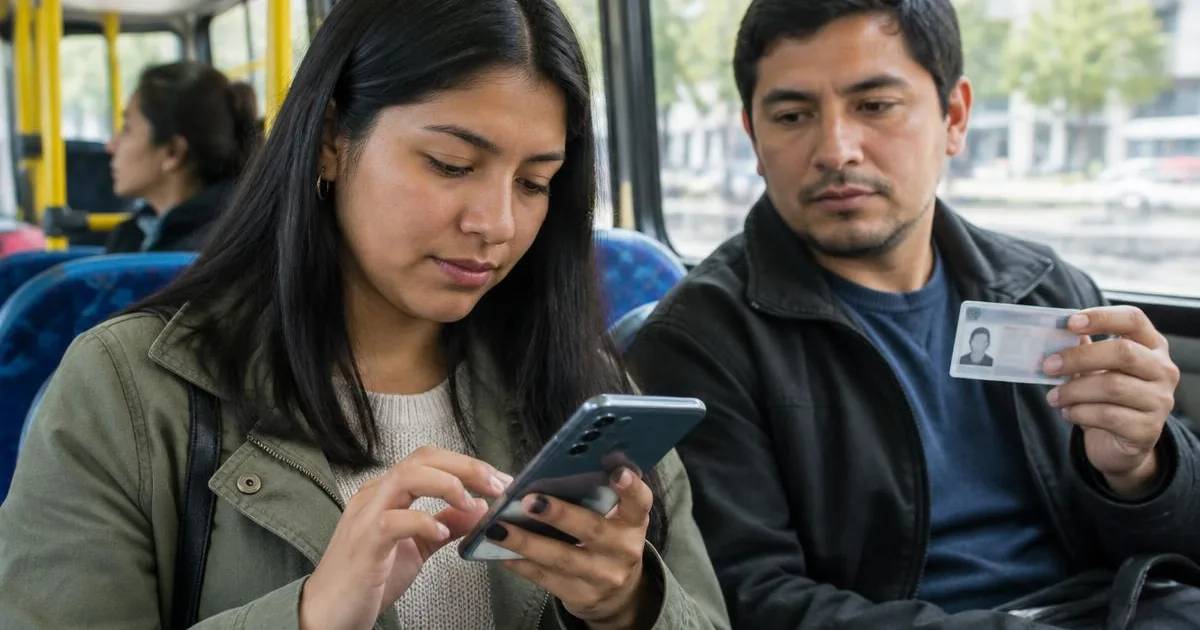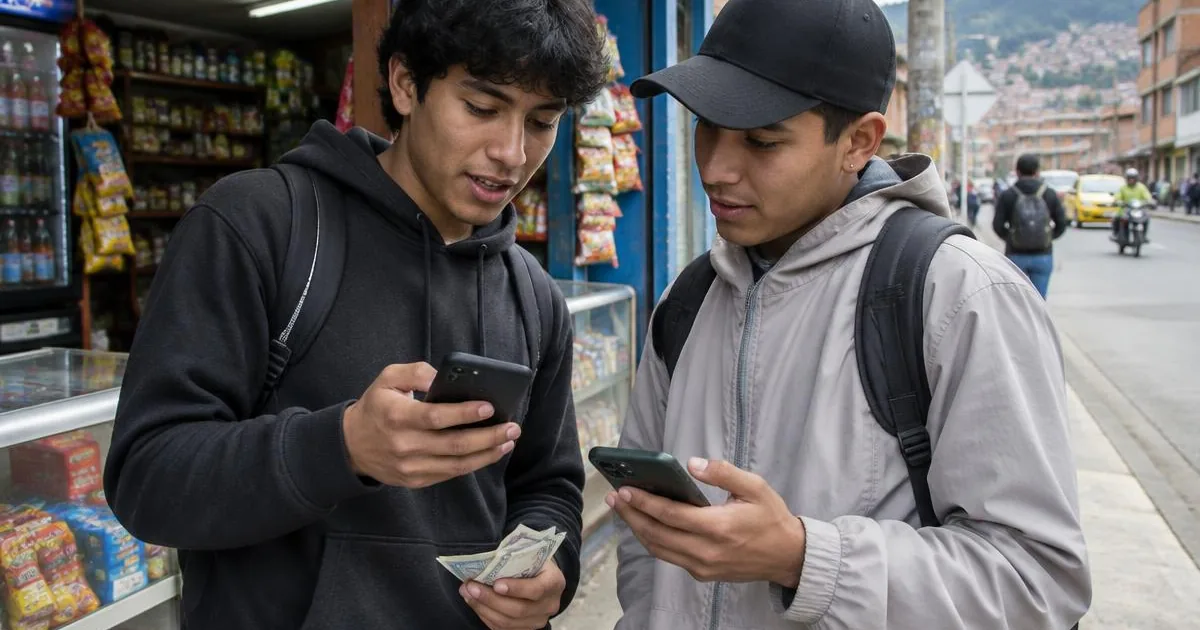
Many product teams treat Spanish as a single language toggle. The strings go to a translation vendor, a bilingual colleague reviews them, and the app ships. Then support tickets arrive from Bogotá or Monterrey about a field nobody understands, a date that looks wrong, or a button that says something nobody in that country would say. Usability testing with Spanish-speaking users is how you catch those issues before launch, and it works best when you test with people in each target country, doing real tasks, in their own variant of Spanish.
This guide is for product, UX research and localization leads who need to validate a product for Latin American users. It covers what usually breaks, how to run sessions in Spanish, how to recruit by country and what to expect from deliverables.
Translation is not localization
A translation can be correct and still fail. Localization testing asks a different question: can a real person in this country complete this task, understand what is happening and trust the product? That depends on more than grammar.
In our studies the same lesson keeps coming back: users want instructions in colloquial, understandable language, and they want to know clearly what state their process is in and how it ended. A literal translation of an error message like "Verification could not be completed" rarely meets that bar. Users need to know what went wrong and what to do next, in words they would use themselves.
What breaks for Spanish-speaking users
These are the issues we see most often in Spanish usability testing of apps and websites.
Copy length and layout
Spanish strings are often longer than English ones. Buttons get cut off, labels wrap into two lines, and helper text pushes the main call to action below the fold on small screens. On a low-end Android phone with large system fonts, the problem gets worse.
Regional vocabulary
The same concept can have different everyday words across countries. A mobile top-up, a bank account, a debit card or a cell phone are named differently in Colombia, Mexico, Argentina or Central America. Users understand most neutral terms, but a word that feels foreign lowers trust, especially in finance. Test the key nouns of your flow in each country.
Formal vs informal address
Choosing between "tú" and "usted" (and "vos" in some countries) is a product decision. Some audiences expect "usted" from a bank and find "tú" too casual; others find "usted" cold for a lifestyle app. Mixing both in the same flow, which happens when strings come from different sources, feels careless. Test the tone, not just the words.
Dates, numbers and currency
Latin American users usually read dates as day/month/year, so 03/04 means April 3, not March 4. Decimal and thousands separators vary by country: in Colombia a period separates thousands and a comma separates decimals, while Mexico uses the opposite convention. Prices in Colombian pesos are large numbers, and showing decimals that nobody uses creates doubt. Currency symbols also need context, since "$" is used for pesos in several countries.
ID types and personal data fields
Forms built for another market assume a social security number, a single last name or a ZIP code. In Colombia people identify with a cédula, minors with a tarjeta de identidad, and in Mexico users have a CURP and an INE card. Many people use two last names. Address formats do not fit a street, city, ZIP pattern. If your onboarding scans an ID, test it with the real documents in the real condition people carry them.
Trust signals
Users in the region are cautious with personal data and payments. They look for clear reasons for each permission, recognizable payment methods and a way to reach a person. The copy around these moments deserves its own test.
Moderated vs unmoderated usability tests in Spanish
Both formats work in Spanish, and each answers different questions.
Moderated sessions (remote or in person) let a researcher ask why. They are the right choice for onboarding, identity validation, pricing pages and any flow where hesitation matters more than speed. The moderator should speak the participant's variant of Spanish, because a moderator with a different accent or vocabulary can change how people respond.
Unmoderated tests let you cover more cities, devices and profiles quickly. They work well for clear tasks like completing a top-up or finding a bill, and for collecting screen recordings across many phones. Task instructions must be written locally; a scenario translated literally from English can confuse participants and contaminate results.
A common plan is a small moderated round to find the big problems, then an unmoderated round across more devices to confirm the fixes. Paruma runs both through prototype evaluation when you are still in design, and through product evaluation when you have a working build.
UX research in Latin America: recruiting by country
The participants matter more than the method. For UX research in Latin America, recruit separately for each country and define profiles that reflect your market: age, city size, banked or unbanked, current apps they use, device and carrier, and the documents they hold. A Spanish speaker in Miami will not show you how a user in a mid-size Colombian city deals with a prepaid data plan and an older phone.
Ask your vendor how participants are profiled and verified, and how their data is protected. In Colombia, personal data is regulated by the Habeas Data law (Ley 1581 de 2012). Paruma recruits from its own community, Nomo, with more than 65 profiling criteria and presence in more than five countries. You can read more about our profiling and recruitment service.
Paruma cases: what Spanish-speaking users told us
Zinli, registration in Panama, Venezuela and Colombia. Zinli, a digital wallet based in Panama, tested a redesigned registration process with real users in three countries, with different ages and different levels of familiarity with wallets. Experiences were consistent across nationalities, and participants rated the information architecture well. They also stressed the importance of instructions in colloquial, understandable language and of clear status and outcome at each step. See the Zinli case.
Davivienda, identity validation copy. In the Davivienda Móvil account opening study, more than 150 participants with diverse devices, ages and document status went through facial biometrics and ID validation. Beyond the technical retries, the research highlighted the need for instructions in a colloquial, transparent tone, familiar to users, and clear communication of status and results. The bank used the findings to improve error messages, and effectiveness of the ID validation went from 70% to 90%. Read the Davivienda case.
Neither finding is about translation quality. Both are about how real Spanish-speaking users read a flow under real conditions.
Bilingual deliverables your team can use
If your product team works in English and your local operations work in Spanish, the report has to serve both. Ask for:
- An executive summary in English with prioritized findings and severity.
- Original quotes in Spanish with an English translation, so nuance is not lost.
- Clips or screenshots tagged by country, device and task.
- A list of copy recommendations per country, with the original string, the problem and a suggested alternative.
- Metrics per segment (task success, comprehension, perceived security, satisfaction) and a consolidated view.
That format lets designers fix strings, engineers fix bugs and managers decide what blocks the launch, all from the same document.
Frequently asked questions
Is translating the interface enough to launch in Latin America?
No. Translation gets the words into Spanish, but users still trip on vocabulary that sounds foreign in their country, the wrong level of formality, date and currency formats, and ID fields designed for another market. Those problems only show up when native users in each country try real tasks.
Should I test with Spanish speakers in the US or in Latin America?
Test with people in the country where the product will be used. Spanish speakers in the US are a valid segment for US products, but they do not reproduce local payment habits, ID documents, devices or networks in Colombia or Mexico.
Moderated or unmoderated sessions in Spanish?
Use moderated sessions when you need to understand why people hesitate or misread copy, especially in onboarding and identity validation. Use unmoderated tests to cover more devices, cities and profiles on clear tasks. Many studies combine both.
Do I need a Spanish-speaking researcher on my team?
Not necessarily. A local partner can moderate in the participant's own variant of Spanish and deliver findings, clips and recommendations in English. What you do need is someone who can explain why a specific word or format failed in a specific country.
How many Spanish-speaking participants should I test with?
Nielsen Norman Group's guidance of about five users per round works per segment. If you launch in two countries with two very different user profiles, plan for four segments, not one.
Test your product with Spanish-speaking users
If you are localizing an app or website for Latin America and want to know how it reads and works for real users in each country, send us your flows and target markets. We will propose a study with local participants, sessions in their own Spanish and a bilingual report. Contact the Paruma team.